Posts by David Kyle

flow interlock device

Handle With Care: Redundant Safety Systems for Pool Chemicals Help Reduce the Risk of Accidents

flow interlock device

Pool safety isn’t something to be taken lightly. Water recreation provides a lot of fun, but it also holds hazards. 


Pool chemicals, including chlorine and acid, are unstable substances that can be lethal when not handled properly. Chlorine is necessary to keep water clean and sanitary. There needs to be at least 1 ppm of chlorine in pools and 3 ppm in hot tubs to maintain a safe environment. Acid serves to balance pH levels. 


Just as lifeguards and flotation devices help protect swimmers, precautions and proper equipment can reduce the risk of severely dangerous chemical reactions.


In general, the chemicals used to treat pool water are added to moving water in the pool’s circulation system, which allows the chemicals to mix at an appropriately diluted concentration. Unfortunately, if the circulation system fails, the two chemicals can be exposed to one another at high concentrations, creating a substance very similar to mustard gas. Since mustard gas is 2.5 times heavier than air, it sits on the surface of the water, directly exposing swimmers. 


On June 4, 2019, that is exactly what happened at Pleasant Grove Veterans Memorial Pool in Utah, USA. A safety system malfunctioned, and too much chlorine and acid were released into the pool. Nearly 50 individuals, including some small children, were hospitalized due to prolonged exposure to the gas.  


Also in the summer of 2019, 14 children were exposed to an overdose of chlorine at the La Salle Park public pool in Burlington, ON. Eight ambulances arrived at the scene and swimmers had to be evacuated. The pool was closed for the remainder of the day.


A similar accident occured in San Jose, California, USA in 2018. Here, 35 people were sent to the hospital after breathing in chlorine gas that had settled at the top of the pool. 


Dozens of such incidents happen in public pools across North America every year, injuring hundreds of individuals, sometimes even causing long-term respiratory complications. The injuries are terrible on their own, and for-profit pools can also lose income and public trust as a result. 


The good news is that this  suffering is generally preventable. Electrical failures and operator error are the most common causes of chemical accidents. So, with proper training and some procedural adjustments, the risk can be reduced to almost nothing. 


In the United States, a pool operator training course is required by law in many areas. There are two accepted courses: the CPO program, which is sponsored by the National Swimming Pool Foundation, and the AFO program, sponsored by the National Recreation and Parks Association. In Canada, certified pool operator (CPO) certification is required by health departments in most provinces. Check with your local health department for specific options and regulations. 


Pool operator training classes are invaluable in helping operators maintain a safe environment for swimmers. Certification ensures that employees know the current regulations and guidelines, how to test and balance water chemicals, the disinfection processes, facility safety procedures, how to react in an emergency, and more. Certification classes can range from a 16-hour, in-person course to home study options that might take up to six months to complete. Hybrid courses, with at-home study followed by limited, socially distanced in-person instruction, have emerged over the last year to accommodate restrictions due to COVID-19. 


Complex concepts such as geometry, chemistry, hydraulics and electricity are part of pool operations, and need to be explained in a way that users will both understand and remember. Luckily, training by a certified instructor ensures that public and private pool operators are familiar with the chemicals, procedures, and potential hazards associated with operating a swimming pool, and have been taught how to handle any malfunctions in the circulation and chemical equipment.


As aquatics technology has become increasingly sophisticated, sanitation and safety have improved. But more complex technology means that local operators need increased training to learn how to safely handle each component. Anyone who has not been trained on the use of equipment, chemicals and processes should not have access to the machinery. This is a liability as well as a safety concern–just as technicians aren’t expected to know CPR and shouldn’t be left in charge of swimmers, lifeguards don’t know the protocols for chemical safety, and shouldn’t be in the vicinity of potentially dangerous equipment.


In addition to training, proper equipment plays a vital role in keeping swimmers safe. Failures happen most often when the circulation pump fails, whether due to mechanical or operator error. The water stops flowing but the chemical pump continues operating, leaving the chlorine and hydrochloric acid to mix at a high concentration and combine into a dangerous compound.  Traditionally, an alarm called a flow sensor is installed in the circulation system so that the operator is alerted to a malfunction. This is the primary safety system, but it is by no means perfect.


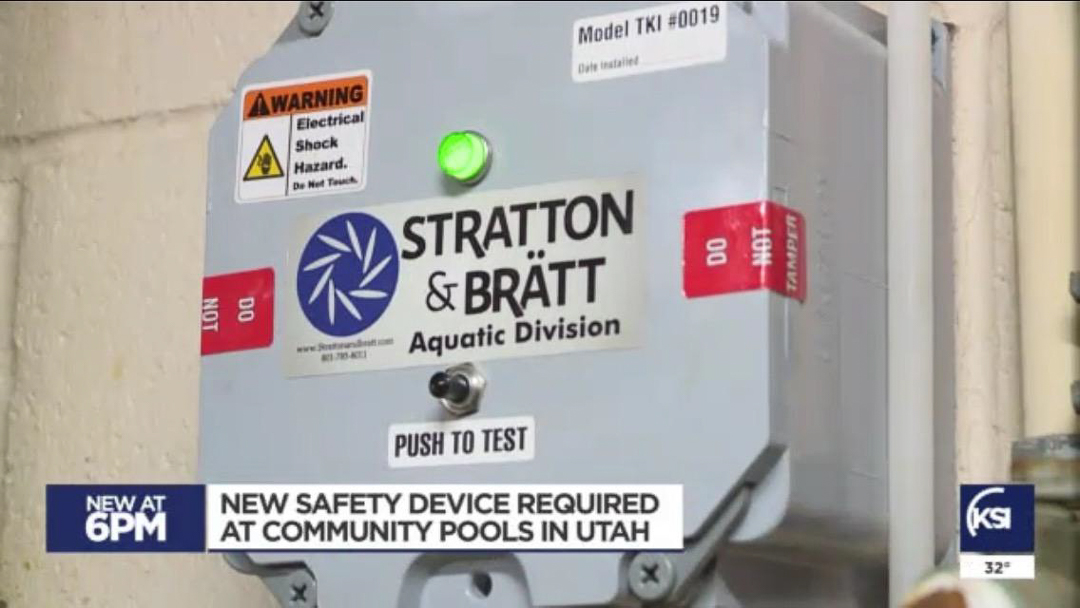
The surprisingly straightforward solution is to tie the chemical pump directly to the electrical system. This type of setup ensures that during an electrical failure, both the chemical and circulation pumps stop operating. The two systems are now both flow locked and electrically locked. In this way, the chlorine and hydrochloric acid never mix while the water is stagnant. A simple mechanical device can merge the electrical systems, creating the desperately needed secondary safety system. 


After multiple accidents in Utah, including the one mentioned above, the state health authority updated the health codes to require public pools to update their equipment to fit this model. Redundant systems have existed for years for automated heating, electrical and chemistry equipment. Unfortunately, up until recently, backup systems for the chemical feed system were non-existent. It took the tragedies of hundreds of injuries to bring this issue to the forefront. 


In 2018, there were around 5,000 publicly-owned pools and splash pads in Canada. All of these pools would benefit from a redundant chemical pump safety device. Other public-use pools not owned by the government should also consider a safety upgrade. This includes hotel pools and spas, school swimming pools, homeowner’s association pools, and any other water feature used by crowds of people. 


Where the safety of others, particularly of children, is concerned, the pool industry needs to be driving the innovations and changes that solve problems instead of waiting on government regulations to do so. While it is not always a legal requirement, the World Health Organization also recommends that dosing pumps be designed to shut down if the circulation system fails. 


Canadian law does require that pool owners “take such care as in all circumstances of the case is reasonable to see that persons entering the premises, and the property brought on the premises by those persons are reasonably safe while on the premises.” (Occupiers’ Liability Act) This means that pool owners can be held liable for chemical accidents that might have been reasonably prevented.


The primary safety system, the flow interlock device, works in most cases to prevent chemical incidents in public-use pools. But the possibility of a malfunction means that every swimmer is not safe. A secondary, electrical interlock device is inexpensive and protects individuals from injuries and public facilities from liability.


In the event of a chemical accident at a publicly used pool, call 911 or your local emergency number immediately. Remove anyone who has been exposed from the area. If it is safe to do so, turn off the chemical and circulation pumps. Have an emergency response plan ready that all employees are familiar with. Only allow properly trained people to work with the chlorine/pH control feed and recirculation systems. And of course, practice regular maintenance for all chemical equipment to prevent failures. 


Not only should an emergency response plan be at the ready, it’s important to periodically test equipment and staff. Natural disasters don’t always give advanced warning, so in the event of an earthquake, tornado, flood, fire or routine power outage, it’s crucial to know that the equipment will shut down as it should. 


All public pool operators should explore the nominal cost and time it takes to install a secondary chemical dosing safety device. Just as other sensitive systems need redundancy, the chemical pumps should be carefully monitored and regulated using more than one process. The lives and safety of swimmers are worth more than any short-term cost or inconvenience. 


Kory Parker is the Aquatic Division Manager at Stratton and Brätt, as well as one of only two national instructors for the National Recreation and Park Association Aquatics Facilities Operations in the region he serves. He has worked in the aquatics industry for decades, and oversees hundreds of pools each year, including major aquatic centers and waterparks. Kory holds a bachelor’s degree from Utah State University. 

Request a proposal

John Smith has over 20 years of experience creating and implementing top-of-the-line proposals and would love to hear from you.

Read more

Are You Ready for Winter?

3 Tips to Get Your Landscape in Order at the End of the Growing Season

As the end of summer approaches, many property owners look forward to less lawn maintenance. It’s important to remember, however, that plants (and equipment) need love and care all year long. While you can definitely spend less time and energy on managing your landscape in the winter, there are a few things to keep in mind to make the transition as painless as possible. Here are three tips to consider as you ready your home and garden for colder weather. 

  • Blow out the pipes. 

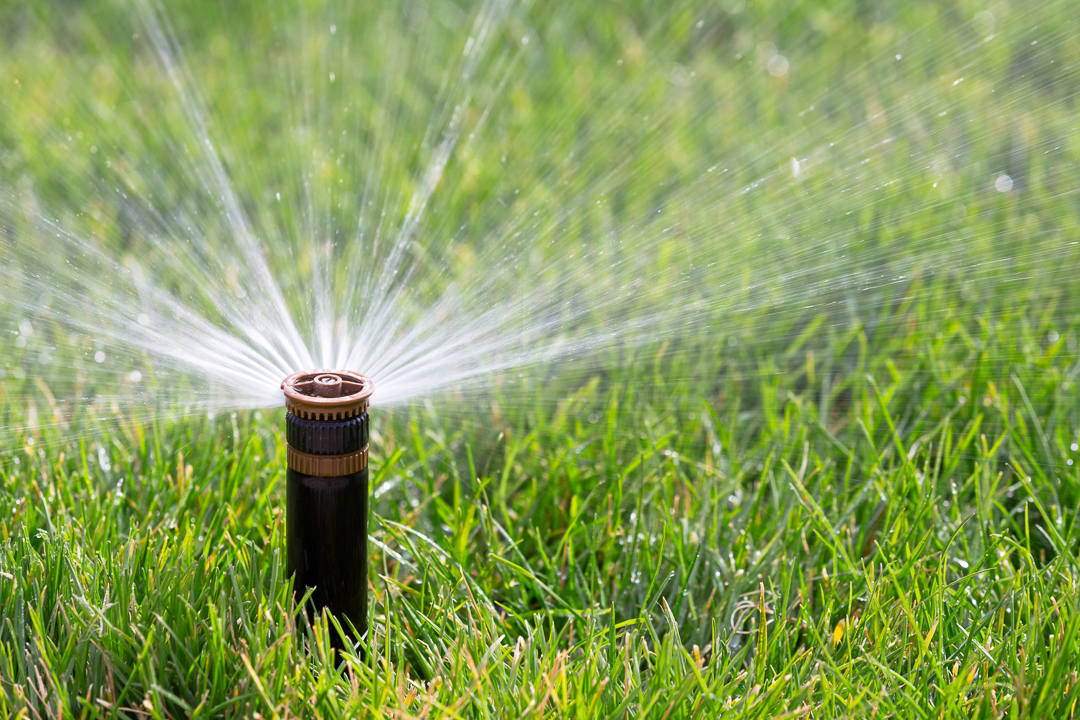
It is a no-brainer to turn off your sprinkler or irrigation system as the weather cools off. No one wants to pay an outdoor watering bill when the plants aren’t growing anyway. What not everyone realizes is that shutting off the water isn’t enough. 

If even a small amount of water is left behind in sprinkler pipes, it can make its way into the backflow system, freeze, expand, and burst the pipes. This kind of damage is incredibly expensive to fix. If your irrigation system does not have an automatic drain–or if you aren’t sure it does–you need to have the pipes blown out with air to ensure everything is dry and ready for the first hard frost. 

  • Encourage hardening. 

As the days shorten, plants begin their own natural process of preparing for winter. Less sunlight signals to larger foliage that cold temperatures are on their way, and they slow or stop growth altogether to conserve their energy. 

To help your plants along, hold off fertilizing trees and large shrubs in late summer. Some plants need fertilizer in the fall–check with your landscape professional or local nursery if you are unsure. You can also apply a layer of mulch just before the first snowfall of the season. This helps insulate and cool the soil, and encourages the hardening process. 

  • Have a backup watering plan.

Properly hardened plants can survive a typical winter here in the Intermountain West, but if winter is particularly dry, they will need your help. Since the first hard frost can be difficult to predict, and Utah is experiencing one of the worst droughts in history, you need to watch out for your trees and shrubs even after the growing season is over. 

Once your pipes are properly blown out, turning on an irrigation system is out of the question, so have a backup plan for getting water to your plants as needed over the winter. A manual sprinkler, hose or large bucket will all work to get water to your plants. If there is no snow on the ground and the temperature rises above 40 degree Fahrenheit, your trees may need water as often as twice per month throughout the winter. Check the soil surrounding the roots–if the dirt is dry, the roots are also dry. 

A little preparation in the fall goes a long way toward healthy, beautiful plants and well functioning equipment in the spring. If you properly maintain your sprinkler system, watch for proper hardening of trees and shrubs and monitor water conditions throughout the colder months, you are setting yourself up for success when the plants wake up in May. 

Request a proposal

John Smith has over 20 years of experience creating and implementing top-of-the-line proposals and would love to hear from you.

Read more
Rob Accepting NALP Award

Stratton & Brätt Wins National Association of Landscape Professionals Awards of Excellence

The National Association of Landscape Professionals (NALP) is one of several professional organizations Stratton & Brätt is proud to belong to. Each year, the NALP chooses a select few commercial and residential landscape projects to showcase in their Awards of Excellence program. Stratton & Brätt is honored to have our work highlighted with a Silver Award for the 2021 season.


The award was given for the stunning landscape Stratton & Brätt designed, engineered and installed on the Bountiful bench. This project was uniquely challenging. It was an extensive plan including planting, hardscapes, lighting, multiple water features, a greenhouse, a playground and more. Our equipment had to be hauled up the steep slope and operated in a way that did not compromise the surrounding geography. In the end, the finished project was something we are deeply proud to have associated with our family name.


It is a joy to provide all of our clients with award-worthy projects and service. We dedicate the same level of effort to every outdoor space we touch, whether it is routine maintenance or a deluxe installation.


We are grateful to our clients throughout the region who trust us to make their landscape dreams a reality, and pleased to see that work recognized as some of the best in the country by the NALP.

Read more
Rep. Keven Stratton

Stratton & Brätt Landscapes Founder Shares the Importance of Political Involvement

There are many elements that go into running a business successfully, but one that can be overlooked is being engaged with the government on the local, state and federal level.

Keven Stratton, one of the founders of Stratton & Brätt Landscapes, says he has been lobbying for the landscape industry since he started his company in 1967. Generally, he dealt with local issues, rules and regulations.

“I realized if I’m going to be in business, I need to understand the language of business,” Stratton says.

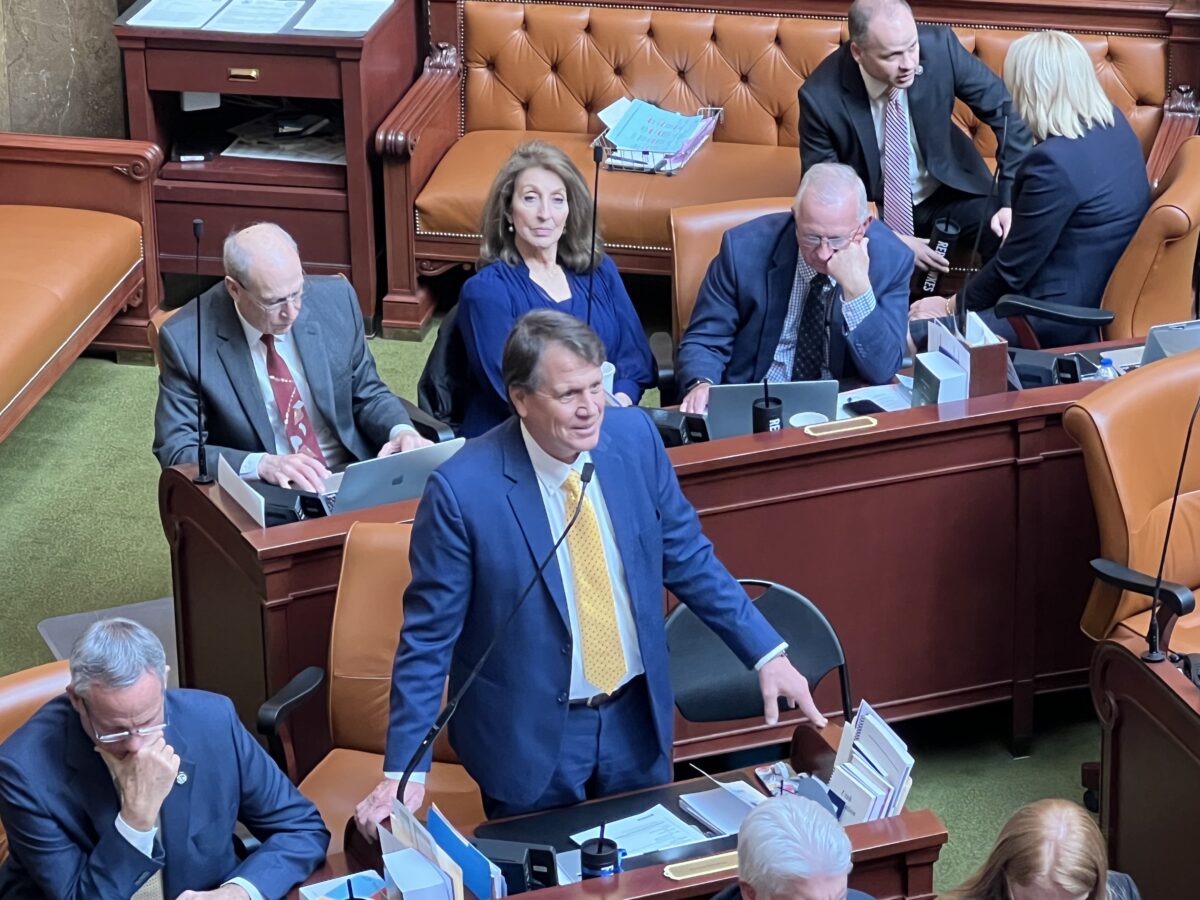
Currently, he is a representative in the Utah House of Representatives.

“My personal philosophy is that we are greatly, greatly impacted at the local level, more so than the state level, secondary than the federal level, but they all impact us, and to be successful in business, you certainly have to be competent and capable in your specialization, but you need to recognize that we’re a part of an orchestra,” Stratton says.

Stratton says engaging with your elected officials is as critical for the strength and health of your business as food and water are for your physical health. He encourages other landscape professionals to form relationships with their representatives and become the specialist for the information they are seeking.

“A politician is a generalist,” Stratton says. “They know a little bit about a lot of things. The things that we’re dealing with in the landscape profession, whether it’s maintenance or construction, there’s just a host of things that they’re seeking to make decisions on that they have no clue of where the rubber hits the road.”

He says when communicating with your representatives a concise, heartfelt story is very powerful.

“Data is important,” Stratton says. “It’s a piece, it’s got to be supported. Facts are important. The relationship is the key but the story drives it home.”

Taking the time to participate in events like NALP’s Virtual Legislative Days from June 14-25 allows you to tell your stories as to how certain things like H-2B are impacting your business and why.

“They need to hear the problem, the story behind it and the solution,” Stratton says.

Stratton says there are many voices and agendas out there that are detrimental to the industry so it’s important to speak up to prevent certain bills from coming into law. For those who believe their voice isn’t necessary, Stratton says the best way for bad things to happen is for good people to do nothing.

“Your voice is needed,” Stratton says. “You don’t know how powerful and important your voice is. If you’re not doing it, a vacuum is created and someone else that is not as good at doing it will fill that space.”

Two of the major topics that will be focused on at this year’s Legislative Days are H-2B cap relief and reform, and climate change. Stratton says we need to unite our voices to see true H-2B reform.

“None of us are an island, we’re in this together and we’ve got to make sure the benefit of our expertise and our perspective is heard,” Stratton says.”

While this year’s event is not in person like normal, this isn’t a reason to write it off. Stratton says he loves virtual and that most of the politicians love it as well.

“Don’t discount virtual,” Stratton says. “It’s all we’ve got. With the virtual meeting, participate and then follow up with a personal touch in building those relationships.”

https://blog.landscapeprofessionals.org/stratton-bratt-landscapes-founder-shares-the-importance-of-political-involvement/

Request a proposal

John Smith has over 20 years of experience creating and implementing top-of-the-line proposals and would love to hear from you.

Read more
Major Mini Farm Ribbon Cutting

Major Brent Taylor’s family gifted farm makeover

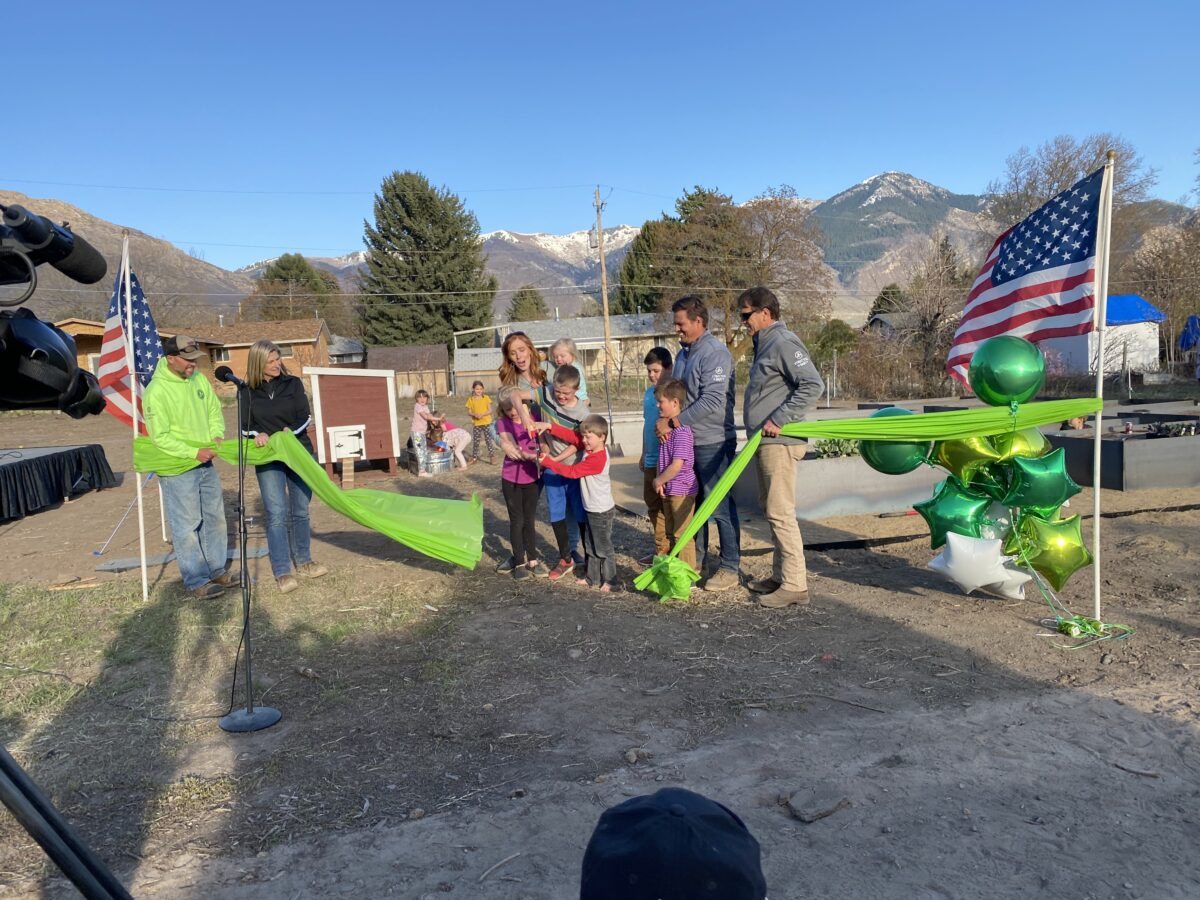
OGDEN, Utah — The family of late Major Brent Taylor received a huge make-over on the family farm, that they unveiled during an “Earth Day party” on Thursday. The plot of land behind the Taylor home in North Ogden had fallen into disrepair after Major Taylor’s death.

Signs of spring took root on the mini farm Thursday, as people planted cabbage and other vegetables in a large garden.
A coop stood ready for chickens to nest in. Kids hopped into a sandbox to play.

Jennie Taylor’s property behind her home was lively on the warm Earth Day evening, filled with music from a band.
It was also filed with gratitude.

“It’s been a whirlwind of gratitude,” Taylor said. “My kids and I have been so blessed and we’re just so grateful.”

Up until now, the mini farm wasn’t even close to ready for planting season, because normally Jennie’s husband, Brent Taylor, took care of all the gardening.

She said it’s what he loved to do.

“There was something about turning over a shovel a dirt, that just kind of helped him reconnect with what matters most,” she said.
Major Taylor, who also served as the mayor of North Ogden, was killed in Afghanistan in 2018 while on deployment. Since then, she said, the farm really fell into disarray.

“It was just weeds, and it was overgrown, and everything needed to be taken apart,” she said.

While speaking at an event before the pandemic, Taylor said she met a man who mentioned he worked at Stratton and Brätt. At the time, she didn’t know anything about the company.

“He gave us a call, and said, ‘Hey I want to come over and maybe help with some of your garden work,'” she recounted. Taylor explained that she assumed he was just going to show up with a couple of people and garbage bags and help clear things out.

Instead, Stratton and Brätt showed up with a landscape designer and full-fledged plan to completely revamp the farm. From there, other businesses offered time and services, turning the Taylor property into the Major Taylor Mini Farm.

The piece of land now features an orchard, corn field, vegetable garden, pumpkin patch, chicken coop, sandbox, grapevines and more.
Taylor indicated that she wants other families to enjoy their pumpkin patch this fall, and she can’t wait to offer all the extra fruits and vegetables to family, friends, and neighbors.

The mini farm is once again ready for planting season.

“This farm helps me parent my kids with my late husband, knowing the values and principles that are so important to him. And they’re going to manifest themselves as we pull weeds, as we harvest, as we plant, as we argue over whose turn it is to go get the chicken coop cleaned,” Taylor said. “That’s the way that he carries on with us.”

Bringing back the farm, while bringing back a beloved hobby of Major Brent Taylor.

Major Mini Farm Ribbon Cutting

Request a proposal

John Smith has over 20 years of experience creating and implementing top-of-the-line proposals and would love to hear from you.

Read more